Monday, October 17, 2016

Memories Underfoot


No more than one pair of shoes is ever needed on an adventure. The real question, as I finished packing my carry-on and checked the time again, re-doing the calculation for travel time to the airport, was, which shoes? Running shoes for sturdy support over long miles? Classy dockers to impress in my meetings? Black Sunday shoes for, well, Sunday? I was loathe to bring more than one pair because of luggage constraints and the Gordian fees charged by airlines for bigger bags. This trip was busy inner cities. I had no intention of trekking into the wilderness, but I pulled out my hiking boots and tried them on again.


These boots came into my life seven years ago. It was 2009, and I was broke, depressed, and aimless. I wanted a break--I needed to go away again. My brother Andrew invited me to go hiking in Iceland, and even splurged on me with the fanciest, most expensive pair of footwear I have ever owned, then or since: a pair of handsome, brown, water-proof Timberlands. I broke my new pair of boots in hiking Y Mountain in Provo, Utah.
Like any good relationship, it was uncomfortable at first, but my feet molded to them and they molded to my feet; stepping through the process of taming that Antoine de Saint-Exupéry wrote so well of. To me, they became unique in all the world.


And then, me and my boots were off on a trip.


These sturdy boots who started their lives in some southeast Asian factory carried me through airports, across behemoth glaciers, through dusty deserts, and when we came to Arctic rivers, I carried them across, tied around my neck like some pioneer of old.


Today, it felt almost like a ritual as I pulled these old friends out of my closet. Flashes of memory hiked through my mind as I transferred my inserts into these old, worn boots, and I slipped into them like a lover.


It was like stepping home. My feet felt catharsis. These amalgamations of rubber and leather topped with metal hooks had seen me around the world. I was back on the Laugavegur, hiking through the Icelandic interior with my wanderlusting brother. My toes were walking--and running--the streets of Bangkok with blood underfoot and explosions overhead. My heels were feeling the tremendous incline of Alpine Canyon as I wondered at the glory of Wasatch summer with my nieces and nephews. I felt the sand of Lake Tahoe and the walkways of Scottish castles and rough Korean turf. My soles were trodding around Paddington Station again, minding the gap, and the annoying flap of tongue in my left boot was irritating my big toe in the way an annoying relative does: good to see you again.

I’m off on another adventure, in my battle-scarred Timberlands covered with the dust of three continents, and I remember that day in a department store in Texas when my brother bought me boots to see the world in.


Tuesday, August 9, 2016

The Top 9 Live Performances


Why nine, you ask? I'm number nine in my family, and it's a pretty great number. Top 10 are overdone, and the Nostalgia Critic has the whole Top 11 thing all sewn up. So here we go!

#9 Joseph Gordon-Levitt covers Nirvana's "Lithium" (language warning)
What's great about this performance is how very sincere it is. Strip away the famous name and face, this is a kid in a t-shirt banging out studiously-practiced chords on a Fender Stratocaster. For someone who performs for a living, I have no trouble believing this is JGL at his very rawest. I can see him practicing this song at home, shouting out the yeah-he-ah-he-yeahs in his basement and jamming to a great song by himself. This performance is what every musician wants: to play a song he loves deeply...in front of a thousands screaming admirers.

Watch for the interlude at 2:46 where Joseph takes time to share his true feelings on Kurt Cobain.

#8 Lauren Heeley covers Of Monsters and Men's "Empire"
This is a Top 9 list of performances, and Lauren's homegrown talent at the keys deserve a place here. Though there are sung lyrics in this cover, the sheer force of strict piano melodies boom out louder than words. Learned by ear--no sheet music, no tutorials, no nothing--Lauren caresses, electrocutes, and pounds out the driving chords that make "Empire" more than just a song.


#7 Warren Zevon's "Roland the Headless Thompson Gunner"
Forget that this is a political song back when that actually meant something. Forget that the lyrics are supremely well chosen. Warren's last performance on Letterman is also one of his finest. That stoic, enduring voice sings one more song before the end. That gritty, dried-out voice tells the story of a mercenary chasing adventure and later revenge across the Dark Continent. This is very shortly before Warren died, fully aware of what was coming. Music like this is not written anymore, and musicians like him are not made anymore. Watch Paul Shaffer get into his groove at 1:46.


#6 Snubby J's "Daft Punk Medley"
While this is technically not "live," Snubby J gets a pass because it's wildly difficult to clone yourself in front of an audience. I firmly believe performing music is a transcendental experience where the performer puts a part of himself into music that gets shared with the audience, and Snubby proves my point. Watch his grins as the band comes together; heck, watch all his facial expressions. Nobody can watch this without knowing this kid loves what he does.


Wesley Schutlz's trademark humility introduces this catchy and heart-plucking single from the same-named album.

The camera devotes a surprising amount of screentime to drummer Jeremiah Fraites. Drummers are often overlooked members of the band, but Jeremiah is one of the masterminds behind the Lumineers and writes music to the lyrics frontman Wesley Schultz pens (when he's not getting set straight by Elton John).

Neyla Pekarek's ethereal and plaintive backup vocals add a touching feminine wreath to this ballad, which is both mournful and full of life lived with no regrets. The raw emotion that gets delivered here--both in music and in performance--brings tears to your eyes. The stunning final chord feels like the thrum of a heartbeat felt through the womb. Feel free to get up and dance at 2:24.


#4 Rob Paravonian's "Pushing Band Candy"

Surprised to see a stand-up comedian in this list? Don't be. When a performer's bio styles him as a "intelligent and unique performer, it's usually codswallop, but with Rob it's actually true. Known most for his "Pachelbel Rant," Rob's got a long list of great songs. A musical comedian, Rob raps about his days selling candy bars to raise funds for the school band. From start to finish his material is timed perfectly, the facial expressions are spot-on, and the jokes are surprisingly high-brow for a cafe laughman--and therein lies the genius that includes him in this list.

Rob manages to compare school-of-hard-knocks drug dealing with upper-middle-class school band fundraising, and it's hilariously accurate. As he parodies gangsta rap, he slips in references to Scarface, Adam Smith, and B.I.G. It's difficult to pay homage to the poster child of cocaine and the father of modern economics, but Rob pulls it off.

A few kudos are owed to the speed and length of his strumming. For more than four minutes he keeps a blistering tempo as he plays the song's hook with lightning repetivity. And when he finally runs out of breath, he turns it into a crowd-stirring punchline.


#3 Foster the People's "Pumped Up Kicks"
The song was overplayed, I know. Remember, this list is about performances, and what a performance this is!

Drummer Mark Pontius starts off a driving drumbeat that doesn't let up, and watch how happy he is. I want a wife that looks at me the way Pontius looks at his drums. Cubbie Fink's interminable bass line ceaselessly keeps us wanting to dance and the man gets points for playing the same nine notes for more than seven minutes.

This is what fans want from a show. Foster gets right into his head-bopping groove, tosses the crowd a solo, gets them geared up to fever pitch at 4:02, and shares a quick little story about New Orleans. It's a fun performance. It's interactive, not a painting to be stared at.

If I could give an Oscar for Best Cinematography, this video would win it. It's beautifully shot, the camera captures real individual fans enjoying the music, not the just the presence of people. However, the real winner of "I give it all" is the maracas player from 3:44-4:00. You're right up there with the cowbell, man.


#2: No Doubt's "Don't Speak"

The year is 1997 and 27-year old Gwen Stefani is establishing herself as a serious vocalist. Her haunting vocals on the album version of "Don't Speak" have already broken several million hearts. This performance cemented the fact that she could use those pipes in a live setting as well. Tom Dumont's steady, hypnotic strumming renders the guitar line almost invisible but irreplaceable. If you have any doubts of his godlike guitaring skills, watch the solo switch at 2:55.

The crowd interaction is terrific. Gwen drops half the first verse to the audience and if that lamentatious look at 1:13 doesn't do something to you, you're dead inside. Gwen surrenders to the music and really sings her heart out during the last 90 seconds of the song. Hang in there for the bitter end; the final coda and crowd response is the perfect outro to this performance.

As a side note, "Don't Speak" was the top single from the Tragic Kingdom album, which is solely responsible for bringing the 3rd era of ska back into the spotlight.


#1: Green Day's "¿Viva La Gloria?" at Webster Hall
This is the quintessential live performance. The intro psyches us up. The band--lead by the infamous rascal leadman Bill Joe Armstrong--gets the crowd hyped and involved. The music starts and then, at 1:04...We're off!

This is Green Day at their best. Some bands can hack it in a studio and fail in front of an audience. Green Day has proved time and time again they're much better in person. After a raucous and, well, Green Dayesque chorus, Billie Joe spends the second verse glad-handing fans like the Pope of Punk he is, before snapping back into power-chord chorusing glory.

First off, not a lot of millionaire songwriters are man enough to hand a solo off to the second guitarist, so Billie Joe gets props for that. Second of all, it's pretty cool he again goes out and lets the audience get into touching distance of his guitar (well, if they hadn't all been filming the show on their iPhones). Although, that may not be a problem for a guy who's been known to take a flying kick at a heckler. Thirdly, remember how Green Day almost didn't make it out of the '90s because of Billie Joe's power-grabbing selfishness? Here we are, 10 years later, and he's content to let Mike Dirnt take center stage during the crux of their rock opera. (Tre just keeps being Tre.) This is a band that has time and time again shown themselves capable of changing to remain current and functional while also staying relevant. Crank up the volume and rock out with them all the way to the music-box like wind down and explosive ending.

There you have it. The next time someone says a band is "better live," you weigh them against these performers.

Thursday, June 23, 2016

Review of The Shallows

The Shallows is Jaws for the found-footage generation, complete with 21st Century product placement like GoPro, Cassio, Creatures, and Jeep.

The Good
My introduction to Blake Lively was her as a coked-up oxy-popping mama in The Town, and she played the part well.
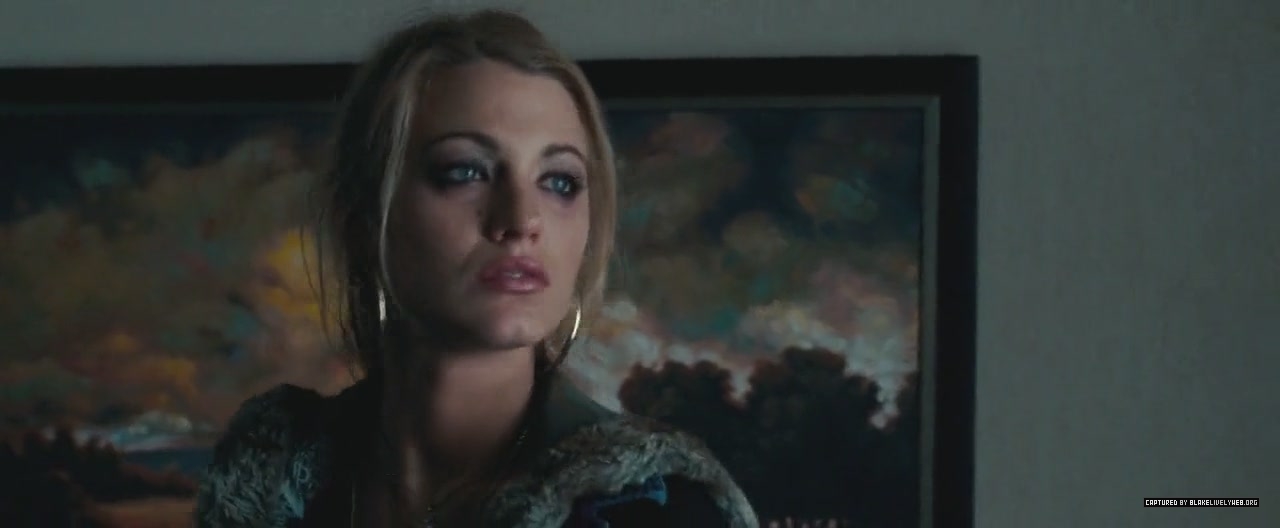

You almost get a contact high just from looking at her.
The Shallows attempts to give her a heart-warming and inspiring backstory, but despite the good intent and bad execution, Lively shines through the murky exposition on her own merit. Portraying medical student Nancy McAdams on a Mexican retreat from life, Lively is attacked by a super-giant great white shark. Through her medical training, surfer know-how, and some lessons learned from Furiosa, she battles the shark and her own depression.

The scenery is beautiful; New South Wales and Lord Howe Island are a paradasiacal backdrop to the woman vs shark drama. The cinematography is beautiful to behold and accurately captures the constant bobbing and water-everywhere feeling that swimmers and surfers know well. More than looking beautiful, the camerwork feels right.

The experiences Lively goes through--besides the shark attack--all ring true for ocean-goers. When she slashes her foot on coral, is stung by jellyfish, is bashed against the rocks--again, all these experiences feel right to those who've experienced them.

Trapped on an outcropping of rocks, Lively hails down a drunk on the beach to go for help. Instead, he raids her bag and steals her phone, thereby harming the tourist trade in Mexico for months and ensuring he dies a morally-justifiably horrific movie death. We don't see the shark attack him, we just see Lively's human and emotionally raw response to the scene before here--and again, I gotta say, she's great in this role.

Also, the movie takes place ostensibly in Mexico, and the writers--and Lively--do a great job of portraying an American abroad with a basic understanding of Spanish. She doesn't speak it fluently like so many movies portray, nor does it take the easy-laugh route of someone who only speaks English, but rather Lively does a great job of speaking like someone who grew up in Texas and took a few years of the language.

The Bad

The backstory--it's unneeded. The whole idea is that Lively saw her mother die from cancer, and it weakens her belief in becoming a doctor to save people when some people die anyway. First off, anyone who's been through 3 years of medical school does not just say "Nah, gonna blow off and go be a surfer bum." With $250,000 paid in tuition and probably seeing her fair share of death, I have a hard time buying that our heroine just checks out of life and goes on vacation. Also, I don't think medical schools do vacations.
This is what popped up when I Googled "Vacation from med school."
The idea is that by fighting and surviving the shark, doctor-to-be McAdams finds the will to finish medical school and become a doctor. Excuse me, but isn't that an incredibly selfish story and completely unhelpful? "I'm sad my mom died from an incurable disease, but rather than give up on life I'm going to finish my last year of medical school, take a salary of $300,000 a year, and teach my sister to surf, all thanks to this shark. I owe you one, Bruce!"

Speaking of which, good crap, that's the biggest shark I've seen since I watched Jaws last week. I don't have a problem with giant shark stories, but The Shallows really feels like a retooling of the Peter Benchley novel for a modern generation. Notable homages include: intense drama when nothing is happening onscreen; the protagonist cursing the shark right before blowing it up, and the protagonists mode of transport being slowly dismantled by the shark until at last they meet on equal ground tides.

Jaws is a great movie; don't get me wrong. Even CinemaSins had a hard time finding anything wrong with it. But copying cinematic gold does not make you golden. The Shallows tries hard to elevate itself to the same plane, but it comes off desperate and canned.

Killing the shark also bends the imagination. She lures it down to the depths of, er, the shallows, and it impales itself on some metal poles. Then, because its a shark movie, it sort of blows up in sand? It's a confusing ending with a fade to black right about the time you ask "Wait, what?"


The Nitpicky
The first 10 minutes are Blake Lively glamor shots. No plot will be served until we've gotten our porn in.

The shark shows a Beautiful Mindesque obsession with Blake Lively. Rather than eat a dead whale floating nearby--a freakin humpback whale, 66,000 lbs of meat--the shark decides to chase down little buck-twenty Blake Lively for two days.

The physics. I know Hollywood isn't big on these in general, but I'm still nitpicking this. Something people have to realize: great white sharks are about the length and weight of a Dodge Ram van. They can also swim up to 35 miles an hour. So imagine your neighbor's van driving down the street and bumping into you. You're not getting up anytime soon. Somehow, Blake Lively can withstand repeated bumpings and grindings with this kind of force.

The health. Hey, human bodies are pretty resilient things. However, the movie takes this a bit too far. 18 minutes in, Lively gets bitten by the shark, which--surprisingly--only results in a pretty deep gash in her leg. Instead of, y'know, the usual result.

What Sharks Bite | Click to view full size image:
Again, imagine your uncle's van biting you.

However, Lively sutures her own leg with a pair of earrings. Yup.

Still though, gangrene sets in, she gets stung by a plethora of jellyfish, she rips her foot on coral, bashes her face against a metal toolbox, and gets dragged over ocean rocks repeatedly. I'm no doctor, but I'm pretty sure you don't look like Blake Lively after going through that. Somehow though, the doctors are able to reverse the effects of gangrene, save her leg and all her teeth and magick away all her scars, which brings me to my final nit to pick.

The film ends with a "ONE YEAR LATER" epilogue where she teaches her sister to surf, showing us that she did indeed finish med school and has conquered her new-found fear of the ocean.


Uh, med school is pretty ridiculously difficult. You're telling me that in one year, she recuperated from the sharking of the century, paid all her medical bills, passed all her 4th year exams, learned to walk again, etc etc etc? Oh, you are? Well okay then.

All in all, it's a good film to watch for less than $9.50, but if you can dollar movie it up, do it. Lively does an excellent job showing herself to be a serious actor, the scenery and cinematography are gorgeous, and the sins--which I'm sure CinemaSins will catalogue soon--aren't enough to completely spoil the movie.

Saturday, February 20, 2016

My Crane Wife

I've never much liked the Crane Wife legend.

For the unfamiliar, it's an ancient story with a couple of variations; one is a story of a poor man who finds a wounded crane outside his home during a storm. He brings it in, nurses it back to health, and sets it free, continuing on in his poverty. Shortly thereafter, a beautiful woman enters his life and they marry. His wife says she can solve their poverty by making beautiful woven tapestries to sell, but he cannot watch her work. They grow rich, but the poor man, grown greedy, peeks in one night to find his wife--transformed back into the crane--plucking her own feathers to weave into silk. Her secret discovered, the crane flies away and leaves the man remorseful.

I've never liked it because (like most Japanese folklore stories) it's crazy depressing and weird. What's the point of the story--when your spouse wants a part time job, don't ask what it is? I remember a show about that... If not that moral, then what? Obviously, what the story tries to convey is you shouldn't be greedy, but seriously, there's better ways to deliver that adage.

HOWEVER

I recently was introduced to Spotify, and despite loving the Decemberists for a decade now, I still haven't heard all their music. I'm exploring a bit more each year, making new discoveries last. This week I ran across Crane Wife 3, the introductory song of their 2006 album "The Crane Wife." I've ignored this story arc on the album in years past simply because I'm not a fan of the story, but Crane Wife 3 changed my views. Or maybe my life has opened my eyes to new messages. Either way, here's my thoughts...

Crane Wife 3 is told from perspective of the poor man, after his wife had flown the coop. He's sad, as he relays "I will hang my head, hang my head low." He remembers his wife in a romanticized view, highlighting her virtues and ignoring her faults (like ditching him for wondering what she does all night for oodles of cash!)

I've listened to the song a dozen times in the last two days, and it speaks to me. Colin Meloy's signature voice lends optimism and gritty experience to the poor man's words. He's been burned, had his heart broken, and is sad, but not dispondent. Like the driving, repetitive guitar riff, he's moving on. The lyrics are devoted to idealizing the Crane Wife, and then cycling through the man's sadness that he wasn't better to her. The song replays the "hang my head low" line over and over. That's how heartbreak works" it replays the favorite memories, and beats us up for our choices, until one day, it doesn't. Then it just stops, like the song, leaving just an echo of the discordant reverberation.